
What Makes Zirconia Veneers So Durable At Madison Dentistry Dr. Austin Wessell?
Over time you’ll see that zirconia veneers at Madison Dentistry resist chips and stains because dense zirconia, precision bonding, and Dr. Austin Wessell’s technique create a durable, long-lasting restoration for your smile.
The Material Science of Zirconia
Zirconia’s dense crystalline lattice resists wear, corrosion, and staining, so you get veneers that maintain shape, color, and function under daily forces for years.
High Flexural Strength and Fracture Toughness
Its high flexural strength and fracture toughness let you bite and chew confidently, reducing chipping and failure compared with traditional ceramic veneers.
Monolithic Structure vs. Traditional Porcelain Layering
Monolithic zirconia is milled from a single block, so you benefit from fewer failure points and longer service life than layered porcelain veneers.
Compared with layered porcelain, monolithic zirconia offers greater strength but slightly less translucency; you may prioritize durability and minimal prep, and Madison Dentistry can adjust shading and polishing for a natural appearance.
Precision Engineering at Madison Dentistry
Precision engineering ensures your zirconia veneers fit tightly and distribute forces evenly, reducing wear and extending lifespan through exact margins and consistent material thickness.
Advanced Digital Scanning for Micro-Precision Fit
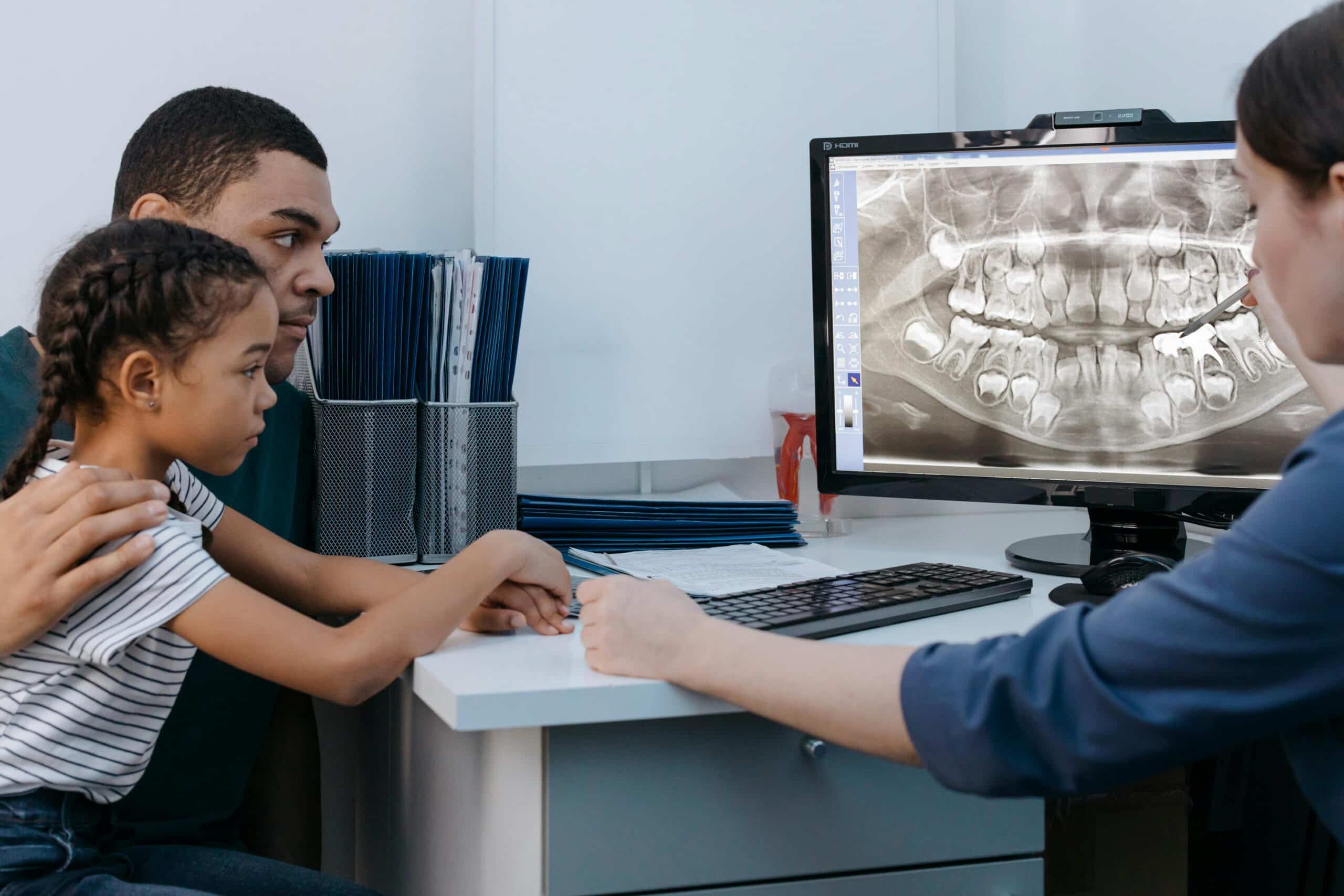
Digital scans capture your tooth anatomy to micron-level accuracy, allowing veneers to match contours and contacts precisely for a secure, comfortable fit.
-
Scan Accuracy
Benefit Reduced adjustment time -
Design Validation
Benefit Predictable occlusion and aesthetics -
Patient Comfort
Benefit Fewer impressions and chairside adjustments
CAD/CAM Milling Technology for Structural Uniformity
Milling sculpts zirconia blocks to exact dimensions so you receive veneers with uniform thickness and fewer internal defects, improving durability.
The CAD/CAM milling process sculpts zirconia from homogenous blocks under controlled speeds and tooling paths, producing repeatable density and minimal internal flaws. You benefit from veneers that resist chipping and maintain occlusal harmony because each piece follows identical structural parameters. Clinics at Madison Dentistry perform post-mill inspections and sintering protocols to ensure optimal strength and long-term performance.
Dr. Austin Wessell’s Specialized Bonding Protocol
Dr. Wessell’s bonding protocol gives you predictable zirconia adhesion through precise isolation, micro-roughening, and controlled cement thickness, reducing debond risk and preserving enamel while maximizing longevity.
Chemical Surface Conditioning for Maximum Adhesion
Surface conditioning prepares zirconia so you achieve strong chemical bonds by applying primers and silane alternatives that increase wettability and create durable molecular linkages to your resin cement.
High-Performance Resin Cements for Long-Term Retention
You extend veneer life using MDP-containing resin cements that bond chemically to treated zirconia, resist hydrolysis, and maintain stable interface strength under functional loads.
Clinically you should choose MDP-based, dual-cure cements with low film thickness, follow specific primer protocols, and avoid contamination from saliva or blood; correct mixing, immediate seating, and adequate curing-light and/or chemical-ensure the cement forms a stable, hydrolysis-resistant interface so you retain restorations predictably over years of function.
Resistance to Daily Wear and Aesthetic Degradation
Zirconia resists daily abrasion and color shift, so you keep a lifelike smile with minimal maintenance; its high surface hardness preserves polish and gloss even after years of brushing and chewing.
Non-Porous Composition and Permanent Stain Resistance
Non-porous structure prevents fluid and pigment absorption, so your veneers resist coffee, tea, and tobacco stains while retaining brightness over time.
Edge Strength and Resistance to Incisal Chipping
High edge strength reduces chipping risk, letting you bite and speak confidently without frequent repairs or cosmetic touch-ups.
Precision manufacturing and correct adhesive bonding create thin yet fracture-resistant incisal margins, so you experience fewer chips; your dentist can design rounded edges, select optimal thickness, and adjust occlusion to distribute forces and extend the functional life of each veneer.
Functional Integration and Occlusal Health
Zirconia veneers distribute occlusal forces predictably, so you experience less chipping and wear while maintaining comfortable function during chewing and speaking.
Precision Bite Alignment to Prevent Mechanical Stress
Proper bite alignment ensures you avoid concentrated stress on any veneer, reducing the chance of fractures and prolonging restoration longevity through balanced contacts.
Biocompatibility and Gingival Tissue Response
Healthy gingival response to zirconia helps you maintain stable soft-tissue margins and lower inflammation, supporting both aesthetics and long-term periodontal health.
Clinical studies show zirconia’s inert, smooth surface limits bacterial adhesion, so you encounter fewer inflammatory episodes than with rougher materials; your dentist can further improve outcomes by polishing margins, verifying passive fits, and contouring emergence profiles to facilitate hygiene and protect surrounding tissues over time.

Strategic Maintenance for Multi-Decade Longevity
Scheduled maintenance visits at Madison Dentistry include margin checks, occlusal assessments, and targeted polishing to catch wear early and keep zirconia veneers functional and aesthetic for decades.
Professional Hygiene Protocols for Restorative Work
Your professional hygiene appointments use gentle instruments, careful margin cleaning, and digital monitoring to prevent biofilm, detect adhesive breakdown, and protect zirconia restorations.
Protective Measures Against Parafunctional Habits
Nightguards and occlusal splints absorb parafunctional forces, reducing chipping and adhesive stress so your veneers withstand nighttime grinding and daytime clenching.
When you habitually clench or grind, clinicians at Madison Dentistry will evaluate occlusion, recommend a custom-fitted nightguard, and perform selective equilibration to distribute forces. You may also be offered stress-reduction strategies, referral for physical therapy, or periodic adhesive maintenance to re-bond marginal defects. These combined steps minimize microfracture risk and preserve veneer fit and function across decades.
Summing up
You benefit from zirconia veneers at Madison Dentistry because their dense, chip-resistant material, CAD/CAM precision, and Dr. Austin Wessell’s meticulous bonding deliver exceptional longevity and natural aesthetics you can trust.