
No-Prep Veneers
In certain cases, a highly trained dentist can perform no-prep veneers. This means the veneer can be added with no change to your underlying natural tooth tissue. After gathering photos and models of your teeth, Dr. Wessell and our master ceramist will carefully evaluate your case to determine if you are a candidate for no-prep or minimal prep veneers.
What makes no-prep veneers unique
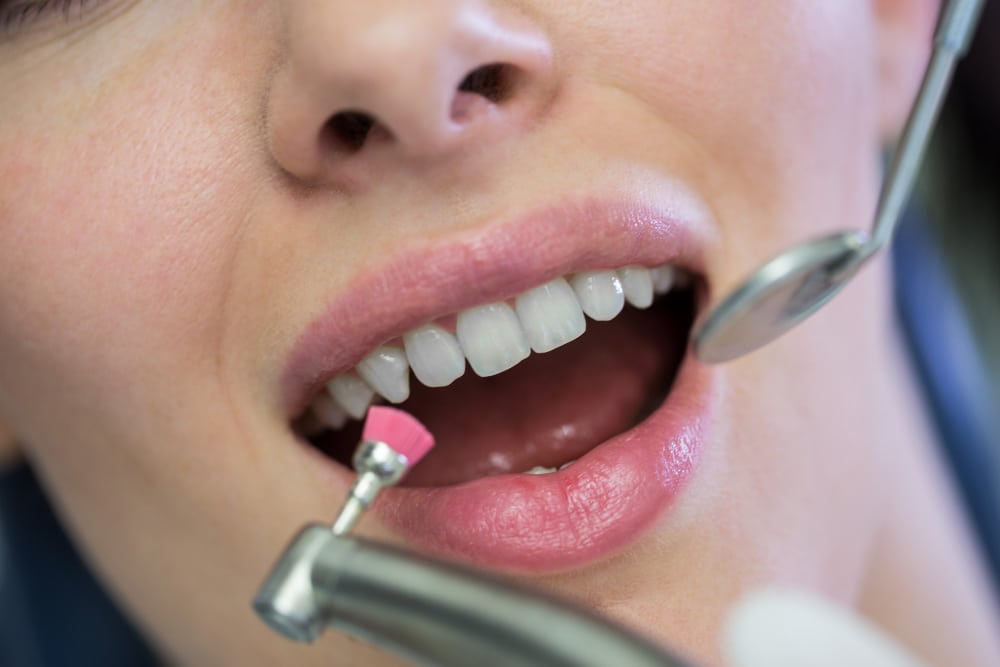
Unlike conventional dental veneers, which require the removal of a thin layer of enamel to make room for the veneer, no-prep veneers fit directly over the existing tooth structure.
This approach minimizes the risk of tooth sensitivity and preserves more of the natural enamel.
No-prep veneers are ideal for patients with minor cosmetic concerns such as small gaps, uneven tooth edges, mild discoloration, or worn enamel.
Step 1: Consultation and evaluation
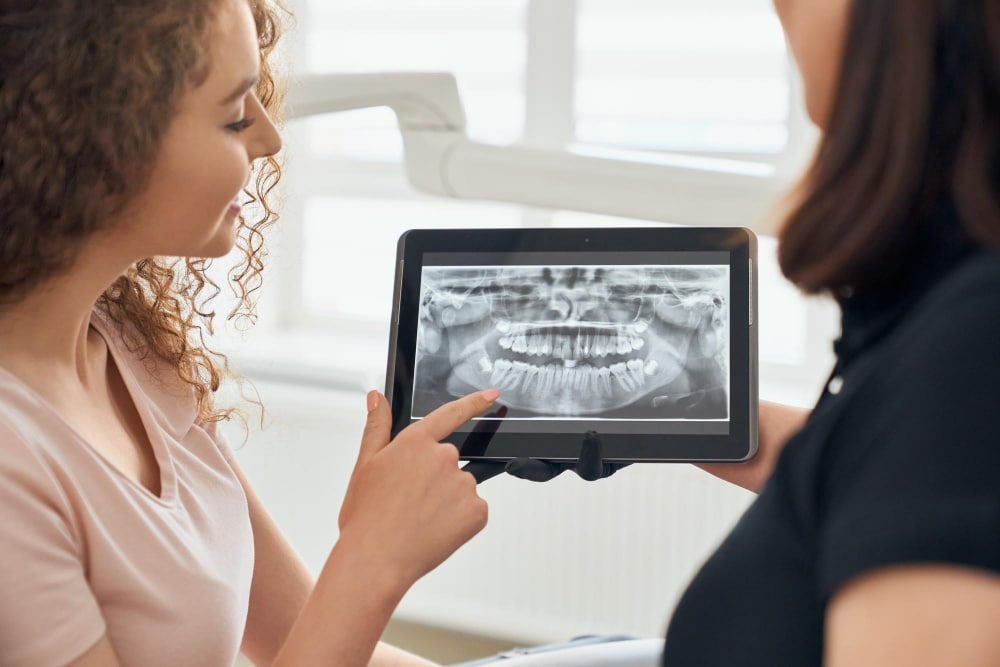
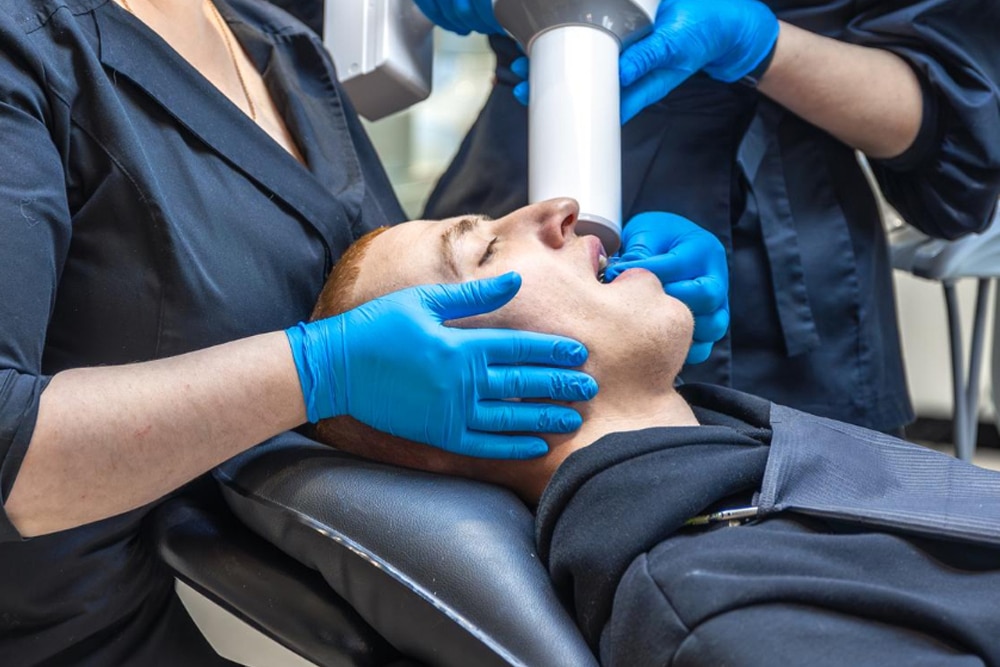
The first step in the no-prep dental veneer process is a comprehensive consultation. During this visit, the dentist evaluates the condition of the teeth, gums, and bite alignment. A full oral exam, including digital X-rays or scans, helps determine whether no-prep veneers are the most appropriate solution.
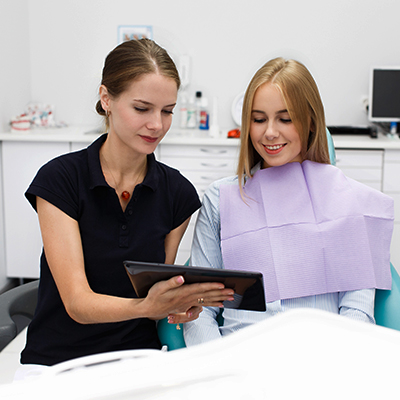
At this stage, the dentist discusses the patient's cosmetic goals, answers questions, and outlines treatment expectations. Photographs and digital impressions can aid in the design of the veneers and ensure an ideal fit and aesthetic result.

Step 2: Digital smile design and planning
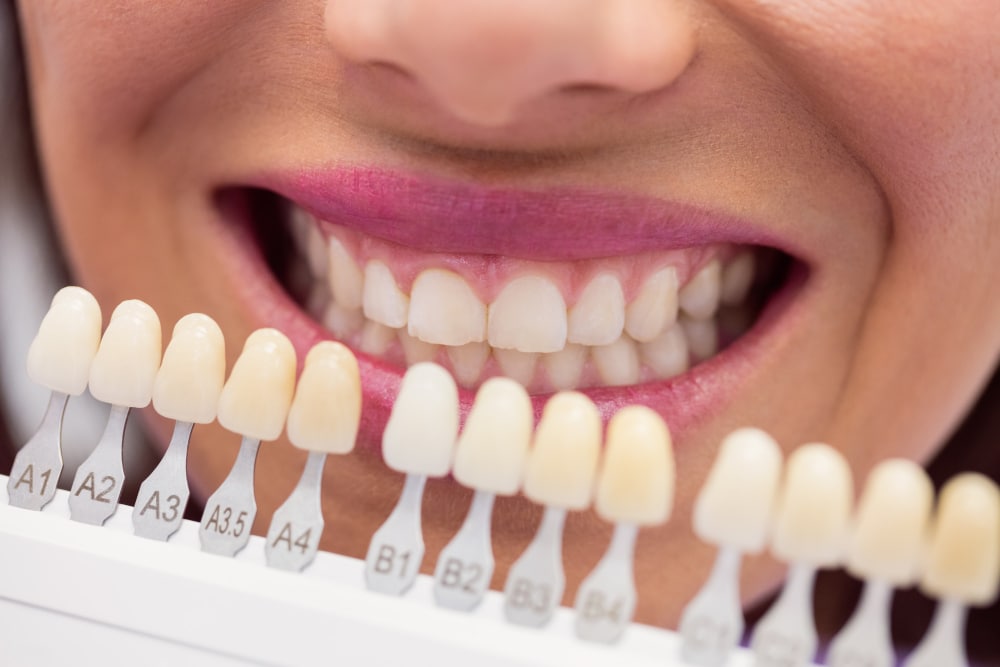
After the initial consultation, the next step involves digital planning. The dentist designs a virtual preview of the final outcome using advanced imaging technology. This stage is critical in customizing the veneers' shape, size, and color to complement each patient's facial features
and smile line.
The digital design also serves as a blueprint for the dental lab, ensuring the final veneers will precisely match the plan. Sometimes, we fabricate a mock-up or temporary model to give the patient a tangible preview of their new smile before the final veneers.
Step 3: Fabrication of the veneers
Once the design is approved, the case is sent to a dental laboratory where the no-prep veneers are crafted. These veneers are typically made from high-quality porcelain or ceramic materials known for their strength, durability, and natural appearance.
The fabrication process must be meticulous because no-prep veneers are thinner than traditional options. The goal is to create ultra-thin, yet strong veneers that blend seamlessly with the surrounding teeth without looking bulky or unnatural.
Step 4: Fitting and bonding
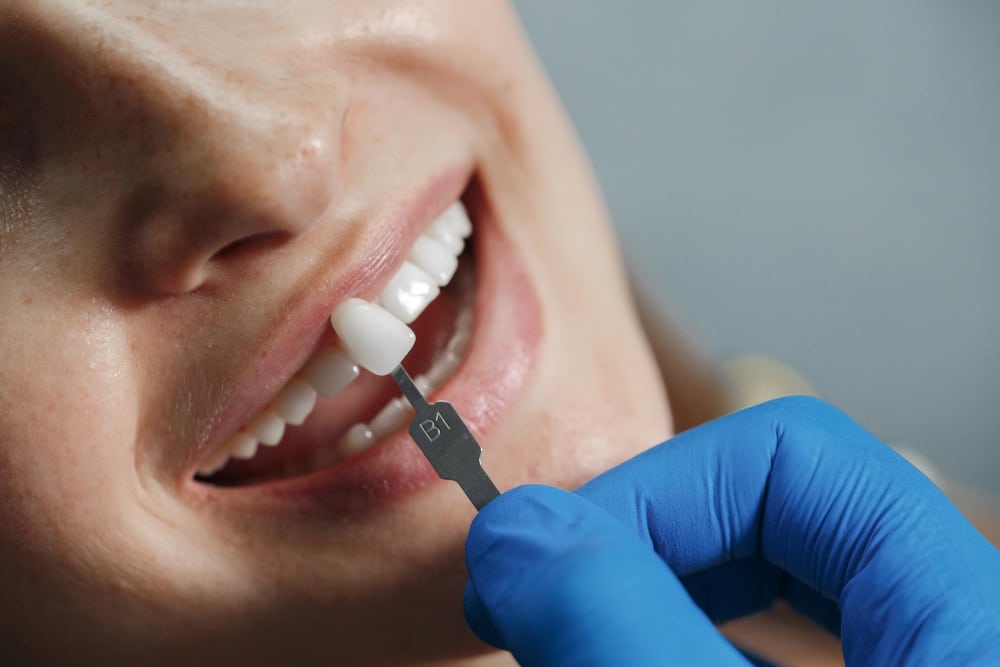
When the final veneers are ready, the patient returns to the office for placement. During this appointment, the dentist checks each veneer's fit, shape, and color. Minor adjustments can be made at this time to ensure a natural look and comfortable fit.
After confirming the aesthetics and function, the dentist prepares the teeth by cleaning and lightly etching the enamel surface to promote a strong bond. A specialized dental adhesive is then applied, and each veneer is carefully placed and cured with a high-intensity light.
The final result is a restored smile with improved symmetry, brightness, and overall appearance—often achieved in just two visits.
Step 5: Post-care and maintenance
Following the placement of no-prep dental veneers, patients are encouraged to maintain their oral health with consistent brushing, flossing, and routine dental cleanings. Although veneers are stain-resistant and durable, avoiding excessive force (such as biting hard objects) will help preserve their longevity.
A follow-up visit may be scheduled to evaluate the veneers' fit and function and make any necessary refinements. With proper care, no-prep veneers can last a decade or more.
frequently asked questions
No-prep veneers are ultra-thin porcelain shells placed on the front of your teeth to enhance your smile without removing natural enamel. They help improve the look of stained, chipped, uneven, or slightly spaced teeth while preserving your natural tooth structure. The process is quick, minimally invasive, and can create a brighter, more balanced smile.