

“Madison Dentistry – Dr. Austin Wessell Explains The Steps To Choosing The Right Veneers For You”
Many patients like you benefit from Dr. Wessell’s clear criteria for veneers, covering tooth health, material options, shade matching, and long-term care so you can make an informed, confident choice tailored to your smile.
Understanding Veneer Material Options
Choosing between porcelain and composite depends on your aesthetic goals, budget, and how long you want results to last; porcelain best mimics enamel’s light-reflecting quality, while composite offers quicker, less expensive solutions that can be repaired chairside.
The Aesthetic Superiority of Porcelain
Porcelain gives you unmatched translucency and stain resistance, producing the most lifelike results for front teeth; expect a longer lifespan and higher upfront cost compared with resin options.
The Versatility of Composite Resin
Composite allows you to achieve aesthetic improvements in a single visit, is more affordable, and can be easily repaired, though it may stain or wear faster than porcelain.
You will find composite best when you desire conservative tooth preparation, lower cost, or faster treatment; it bonds directly to enamel and dentin, allowing timely repairs and shade adjustments. Expect shorter longevity than porcelain-often five to ten years-and greater staining risk, so plan for periodic polishing and possible replacement to maintain appearance.
Defining Your Aesthetic Objectives
Define your aesthetic objectives by choosing whether you prefer a natural, subtly enhanced, or more striking smile that harmonizes with your facial features and daily lifestyle; this decision informs shade, translucency, and contour.
Determining Desired Tooth Shape and Size
Consider tooth shape and size in balance with your face, gum line, and bite; you and Dr. Wessell will preview mock-ups to refine length, width, and proportion before finalizing.
Identifying Specific Smile Imperfections to Correct
Assess specific imperfections-chips, gaps, stains, minor misalignments, or uneven length-to determine whether veneers alone or combined treatments will produce your desired result.
Examine how each imperfection is treated: veneers mask stains and reshape chipped or worn teeth, close small gaps, and correct minor alignment issues, while significant crowding or bite problems often require orthodontics first. You should test shades with trial restorations, discuss veneer thickness and enamel removal, and agree on a maintenance plan to maximize longevity and esthetics.
The Clinical Consultation with Dr. Wessell
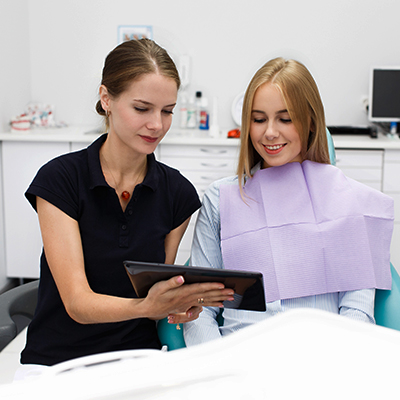
You will review your goals, medical history, and aesthetic preferences so Dr. Wessell can recommend the veneer type, preparation level, and timeline best suited to you.
Comprehensive Evaluation of Oral Health
Examining your teeth, gums, bite, and radiographs helps Dr. Wessell identify decay, periodontal concerns, or bite issues that must be addressed before veneers are placed.
Utilizing Digital Smile Design for Precision Planning
Using digital smile design you preview proposed shapes, shades, and proportions, provide feedback, and ensure the plan aligns with your expectations before fabrication begins.
Technology-driven mockups merge 3D intraoral scans, facial photos, and CAD to create lifelike simulations; you can compare variations while Dr. Wessell adjusts margins, occlusion, and color to achieve a natural, personalized result.
Selecting the Ideal Shade and Translucency
Choosing the right shade and translucency helps your veneers blend with existing teeth and lighting; you should test samples in natural and clinic light, discuss hue adjustments with Dr. Wessell, and prefer subtle translucency for lifelike depth without appearing overly bright.
Balancing Brightness with Natural Appearance
Balance brightness by sampling shades against your smile under daylight and clinic lighting so you can choose a hue that complements tooth anatomy without creating an artificial “too white” appearance.
Matching Veneers to Skin Tone and Facial Features
Match veneer shade to your skin tone, hair color, and facial contrast; you should try different translucencies to ensure teeth look harmonious from close and at a distance.
When deciding on veneers that flatter your complexion, you should assess undertones-warm, cool, or neutral-and test shades in daylight to observe how translucency influences perceived warmth; ask Dr. Wessell about subtle warm or cool modifiers and translucency levels to avoid excessive contrast with your facial features and achieve a natural, balanced smile.
The Procedure: From Preparation to Placement
You will move from conservative tooth shaping and precise impressions to shade selection, trial fittings, and final bonding; the visit includes local anesthesia, temporary veneers as needed, and occlusion checks so the final placement feels natural, comfortable, and long-lasting.
Minimally Invasive Enamel Preparation
Enamel preparation removes only a thin layer of tooth so you retain most structure; your dentist uses precise guides and local anesthesia to shape for fit, limiting sensitivity while supporting a strong bond.
The Bonding Process and Final Adjustments
Bonding uses etched enamel, silane on porcelain when indicated, and resin cement to secure veneers; your dentist cures each piece, trims margins, checks your bite, and polishes so you leave with comfortable, esthetic results.
After positioning, your teeth are isolated and bonded using a stepwise protocol: enamel etch, bonding agent, and resin cement-silane enhances adhesion on porcelain. Your dentist will light-cure each veneer, remove excess cement, check contacts with floss and occlusion with articulating paper, then refine shape and polish. You may have mild sensitivity; avoid hard or staining foods for 48 hours and attend the short follow-up to confirm fit and comfort.
Ensuring Long-Term Success and Maintenance
Routine maintenance extends your veneers’ lifespan: attend regular checkups, avoid chewing hard objects, and use non‑abrasive toothpaste with a soft-bristled brush to preserve margins and appearance.
Daily Oral Hygiene Practices for Veneers
Daily brushing and flossing protect your veneers and gum tissue; use a soft brush, non-abrasive fluoride toothpaste, and interdental cleaners to prevent stains and gingival inflammation.
Protective Measures to Prevent Structural Damage
Wear a custom nightguard if you grind and a fitted sports mouthguard for contact activities to reduce chipping, fractures, and adhesive stress on your veneers.
Consider consulting your dentist about material and thickness for guards tailored to your bite; an occlusal adjustment can redistribute forces, and prompt repair of small chips prevents larger failures-avoid habits like chewing ice or opening packages with your teeth to minimize long-term risk.
Conclusion
To wrap up, Madison Dentistry and Dr. Austin Wessell outline clear steps so you can select veneers that match your goals, oral health, and budget; follow professional guidance, ask questions, and review materials and outcomes to make an informed, confident decision.