

How-To Achieve Strength And Beauty With E-max Veneers – Dr. Austin Wessell Explains
Strength meets beauty when you choose E-max veneers; Dr. Austin Wessell guides you through selection, preparation, and care so you achieve durable, natural-looking results.
Understanding E-max Veneers: The Science of Lithium Disilicate
Lithium disilicate gives you a high-strength ceramic that balances toughness with thinness, letting veneers conserve tooth structure while resisting fracture under normal chewing forces.
Why E-max offers superior durability
E-max strengthens your restorations with a dense crystalline matrix and strong bond to enamel, reducing chipping and long-term wear.
The aesthetic benefits of translucent ceramic
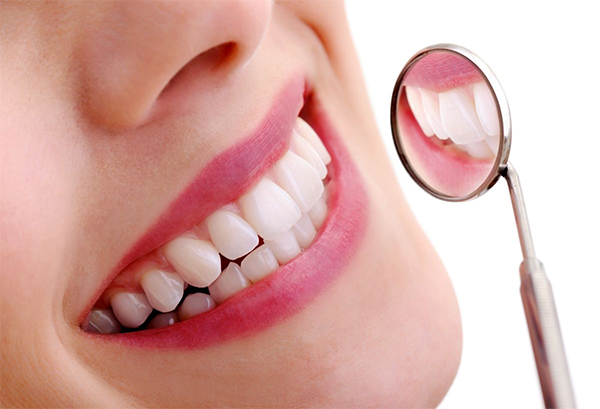
Translucency lets your veneers mimic natural enamel by transmitting light, matching nearby teeth and masking discolored substrates without appearing opaque.
You can request layered translucency to reproduce enamel depth, so technicians match hue, chroma, and surface texture for lifelike results. Layered E-max accepts stains and glazes predictably and polishes to a natural sheen, preserving optical effects over time while maintaining strength at minimal thickness.

Essential Factors in Determining Candidacy
Assessing your oral profile ensures E-max veneers suit your needs; factors include enamel thickness, bite, gum health, and aesthetic goals. The final consultation confirms suitability and treatment planning.
- Enamel thickness and tooth preparation
- Bite and occlusal forces
- Gum health and periodontal status
- The consultation confirms overall suitability
Evaluating tooth structure and alignment
You must have sufficient enamel, stable occlusion, and correctable alignment; extensive decay, large restorations, or severe crowding may disqualify you from E-max veneers.
Identifying oral health prerequisites
Before scheduling veneers, treat active decay, periodontal disease, and uncontrolled bruxism so your restorations remain predictable and long-lasting.
Addressing cavities, deep periodontal pockets, and enamel erosion requires coordinated care: you may need fillings, root planing, or occlusal guards before veneer placement to maximize outcomes.
How-To Prepare for Your E-max Veneer Procedure
Prepare by following pre-op instructions, updating your medical history, and arranging transportation so you arrive relaxed and ready for your E-max veneer appointment.
The initial consultation and smile design
During your consultation, you’ll review photographs, digital mockups, and shade options so you can approve a smile design that complements your facial features and expectations.
Minimal preparation techniques for tooth preservation
Conservative preparation focuses on removing minimal enamel so you retain natural tooth structure while achieving precise fit and the aesthetic results you want.
Your dentist will use diagnostic wax-ups, reduction guides, and magnification to remove only necessary enamel, minimizing preparation so you keep more tooth structure; bonding ultra-thin E-max veneers to preserved surfaces reduces sensitivity, speeds recovery, and preserves natural translucency.
The Step-by-Step Application Process
| Overview |
You follow a precise sequence: tooth preparation, impression or digital scan, try-in, etching, bonding, curing, and occlusal verification to secure fit, function and longevity. |
| Key Actions |
During bonding you maintain isolation, apply adhesive protocols, seat veneers with controlled pressure, remove excess cement, and light-cure in stages to optimize marginal integrity and bond strength. |
Precision bonding for long-term stability
Isolation ensures you avoid contamination; meticulous etching and primer application followed by correct resin cement selection and adequate curing deliver durable adhesion and predictable results.
Final adjustments and polishing for a natural look
Contour adjustments let you harmonize shape and occlusion; polishing with graduated abrasives recreates enamel texture and enhances light reflection for a lifelike finish.
Employ fine-grit burs and low-speed polishing to refine margins while you check phonetics and canine guidance; final glazing or paste polishing increases gloss, reduces plaque accumulation, and preserves shade stability over time.

Conclusion
The E-max veneers Dr. Austin Wessell explains give you durable, natural-looking restorations that preserve enamel and resist wear; follow his diagnostic assessment, conservative preparation, and precise bonding to achieve lasting strength and beauty.